
Blog
How to Book a Heating Engineer: What to Check Before You Call
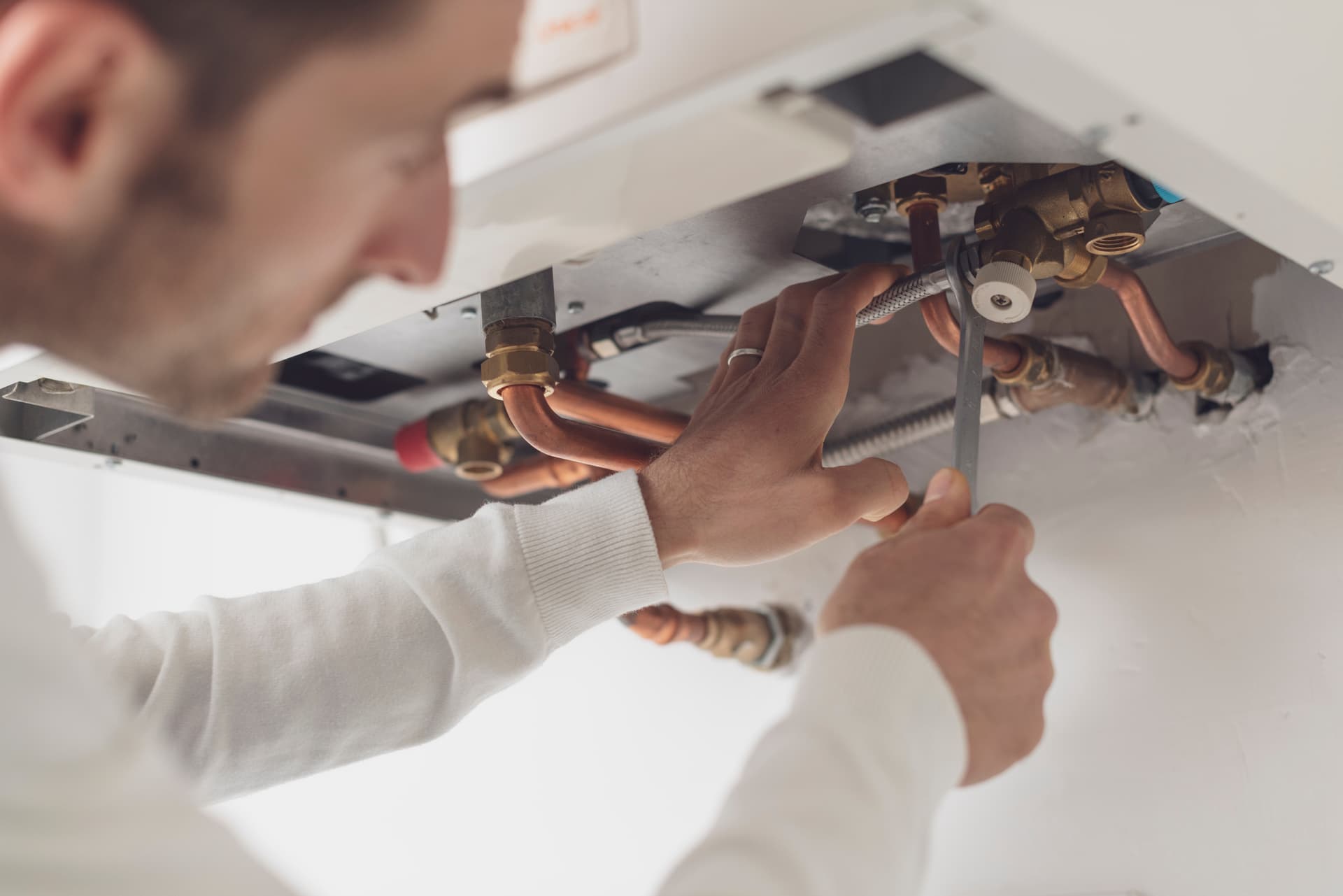
How to book heating work with useful details ready
A clear description of the problem is often more useful than trying to diagnose it yourself. Before contacting us about heating in Southend-on-Sea, take a moment to note what is happening, which parts of the system are affected and whether anything has changed. You do not need to identify the fault. The aim is to give us a practical starting point for discussing your requirements.
For an overview of the service, see our Plumbing & Heating page. If you are ready to get in touch, call 07949 394403 or email info@lillywhitepropertygroup.com.
Note what is and is not working
Describe the result you can see rather than guessing at the cause. For example, say whether the heating is not coming on, some radiators are cold, hot water is affected, or the system is making an unusual noise. If the problem comes and goes, explain when you have noticed it and whether it affects the whole property or only one area.
That distinction matters. A lack of heat throughout the home points to a different set of possibilities from one radiator that stays cold while the others work. Likewise, a heating issue with normal hot water is different information from a problem affecting both. These details do not confirm a fault, but they help describe its scope.
If a warning light or fault code appears on the boiler display, write it down exactly as shown. Avoid searching for a code and treating an online explanation as a diagnosis: the same display can mean different things depending on the appliance. Do not repeatedly reset the boiler in an attempt to clear a fault. Record what you see and leave diagnosis to a suitably qualified person.
Gather details you can see safely
If it is easy to find without moving or dismantling anything, note the boiler’s make and model. The information may be printed on an external label or shown on the display. If you cannot locate it safely, leave it. Do not remove the boiler casing to look for a data plate or internal components.
You can also note any visible reading on the pressure gauge, if your system has one. Simply record what it shows. Do not adjust the pressure or top up the system unless you have been given instructions that are specific to your appliance and you understand them. A reading on its own does not prove what has failed, and changing the system can make the original problem harder to assess.
It helps to know whether the property has a combination boiler (one that heats water on demand) or a separate hot water cylinder, if you already know. If you are unsure, say so rather than guessing. The layout can affect what information is relevant, especially in a flat or a larger house where the boiler, cylinder and heating controls may be in different places.
Keep a simple record of changes
Think back to what happened before the issue began. Was there a change to the controls, a power interruption, recent work on the heating system or a leak you have noticed? Mention only what you know. A sequence of events can be helpful, but it is not proof that one event caused the fault.
If water is visible around the boiler or pipework, note where it is coming from if you can see this without touching hot or electrical components. Keep clear of wet electrical fittings. Do not open covers, handle wiring, work on gas connections or attempt to repair internal parts. Those tasks need an appropriately qualified professional.
Explain the property and access
When you contact us, include the property location, whether it is a house or flat, and any access details that could affect a visit. For example, mention if the boiler is inside a locked cupboard or in a communal area. This is useful context for discussing the job, particularly in homes around Southend-on-Sea where the heating layout and access can differ from one property to another.
A concise account is enough: what is affected, what you can see, when you first noticed it, and the boiler details if readily available. You do not need to carry out tests or decide whether the boiler needs a repair or replacement before getting in touch.
Start with observations, not a DIY diagnosis
Safe observations help us understand what you need without putting you at risk or changing the system before it can be assessed. Here at Lillywhite Property Repairs, we welcome enquiries about Plumbing & Heating work. Contact us with the details you have, and we can discuss the next step.
Other Articles


